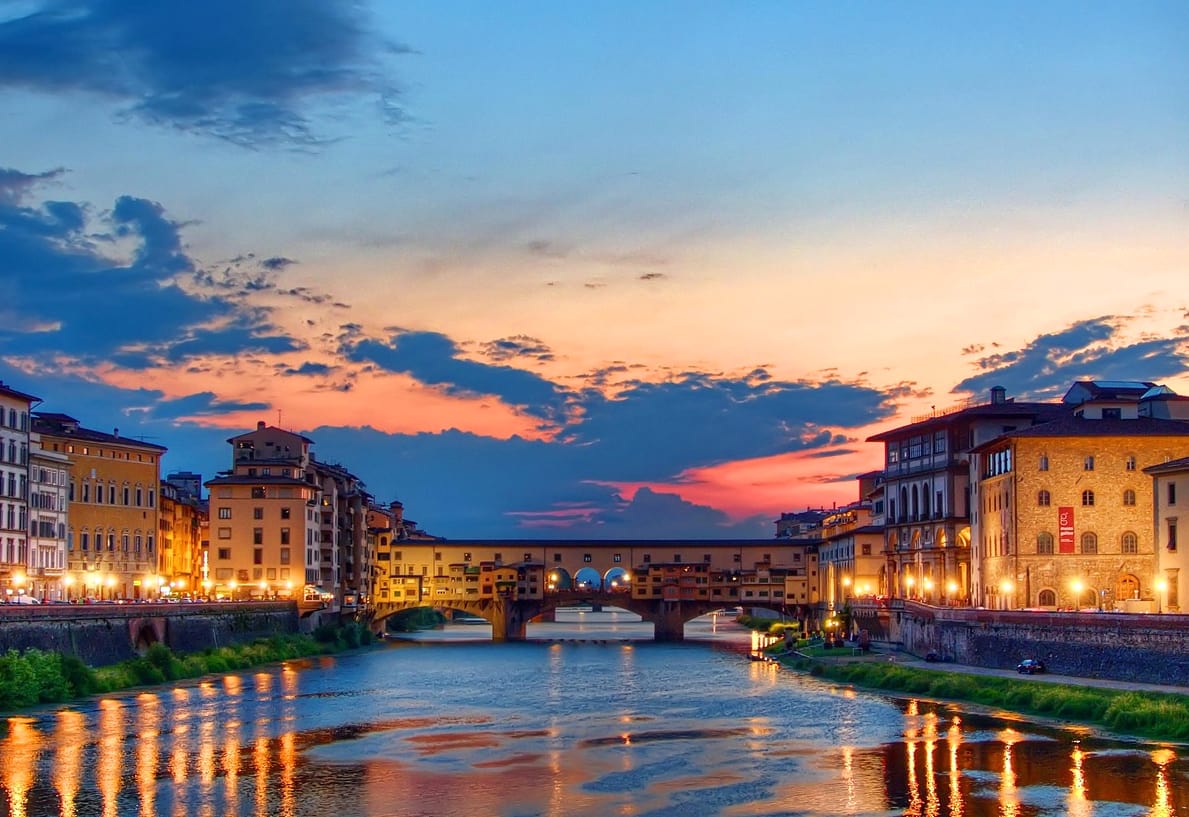
Florence
Walk the Arno, explore Renaissance art and leave room for the neighbourhoods beyond the busiest squares.
A considered guide to the places, seasons and small practical details that shape a memorable journey.
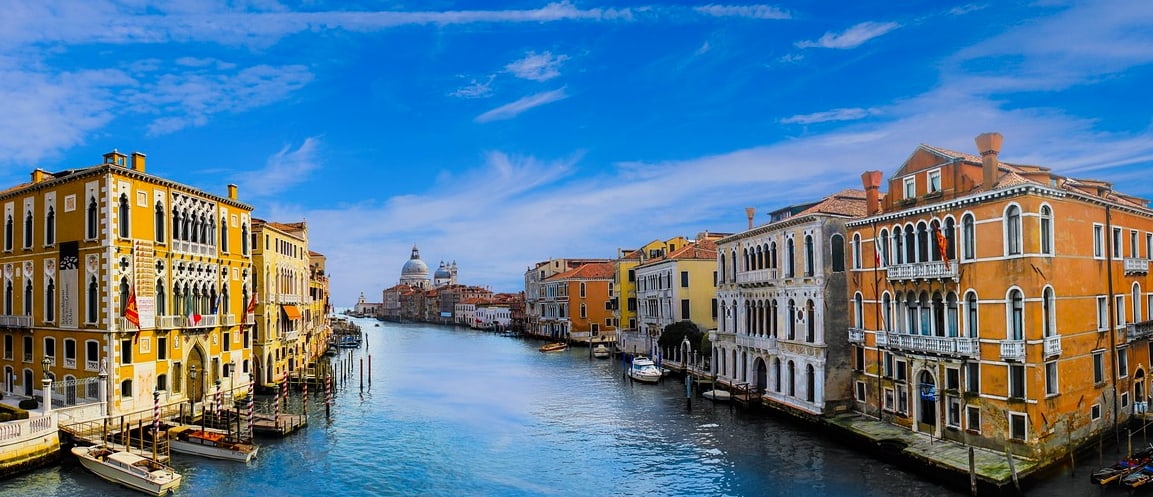
From spring walks to quieter winter city breaks, the right time depends on what you want to see and how you like to travel.
Gardens and longer days make this a lovely time for walking. Pack layers and a light raincoat.
Expect heat in many cities and busy coastal destinations. Plan outdoor sightseeing for cooler hours.
Comfortable walking weather often continues into autumn, though rain becomes more likely.
City museums and churches offer shelter on cooler days. Mountain areas call for winter preparation.
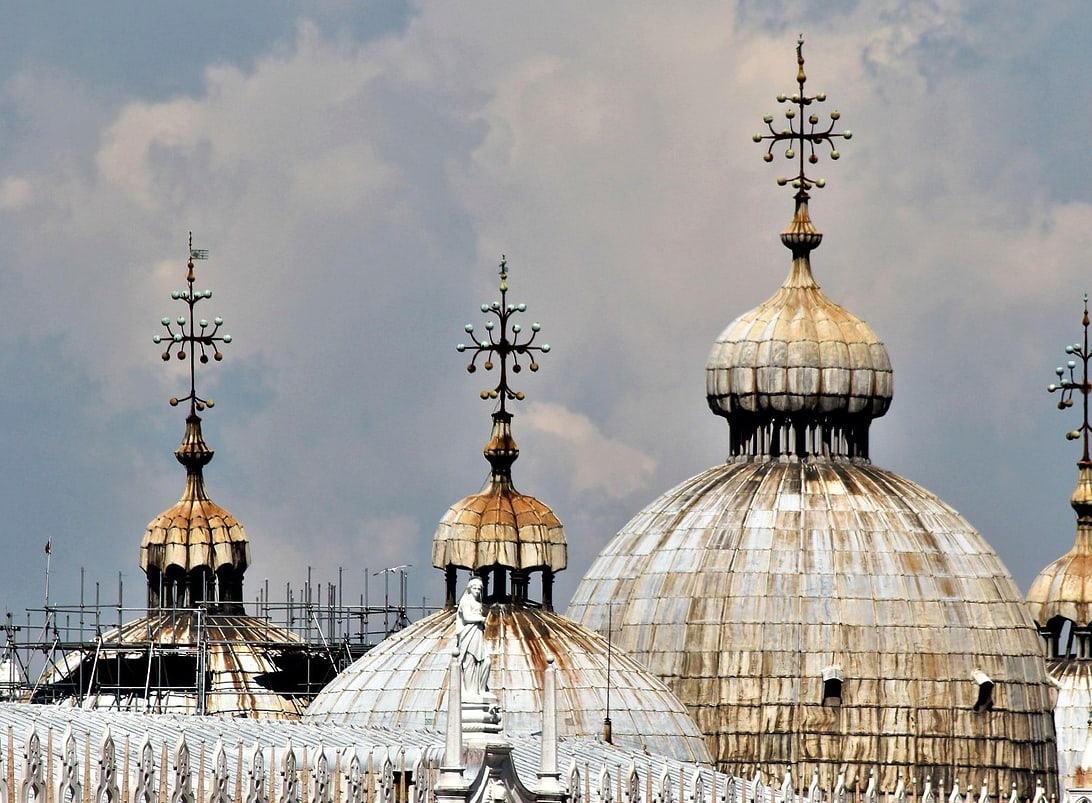
Gold mosaics, marble and a meeting of artistic traditions make St Mark’s Basilica one of Venice’s most absorbing places to visit. Give yourself time to take in both the square and the church itself.
Before you go, check the basilica’s current visitor information for opening arrangements, tickets and appropriate dress.
Read the St Mark’s guide →Pair a major sight with time in the surrounding streets: Italy rewards a slower look.
Walk the Arno, explore Renaissance art and leave room for the neighbourhoods beyond the busiest squares.
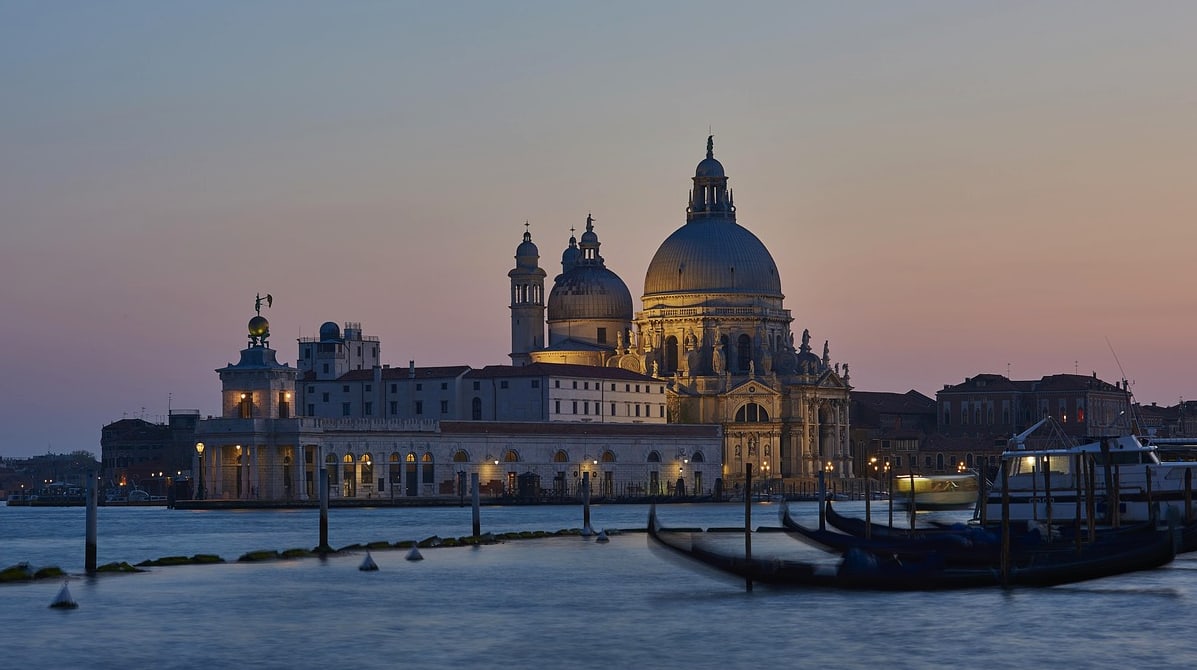
Layer ancient sites with piazzas, churches and the everyday rhythm of the modern city.
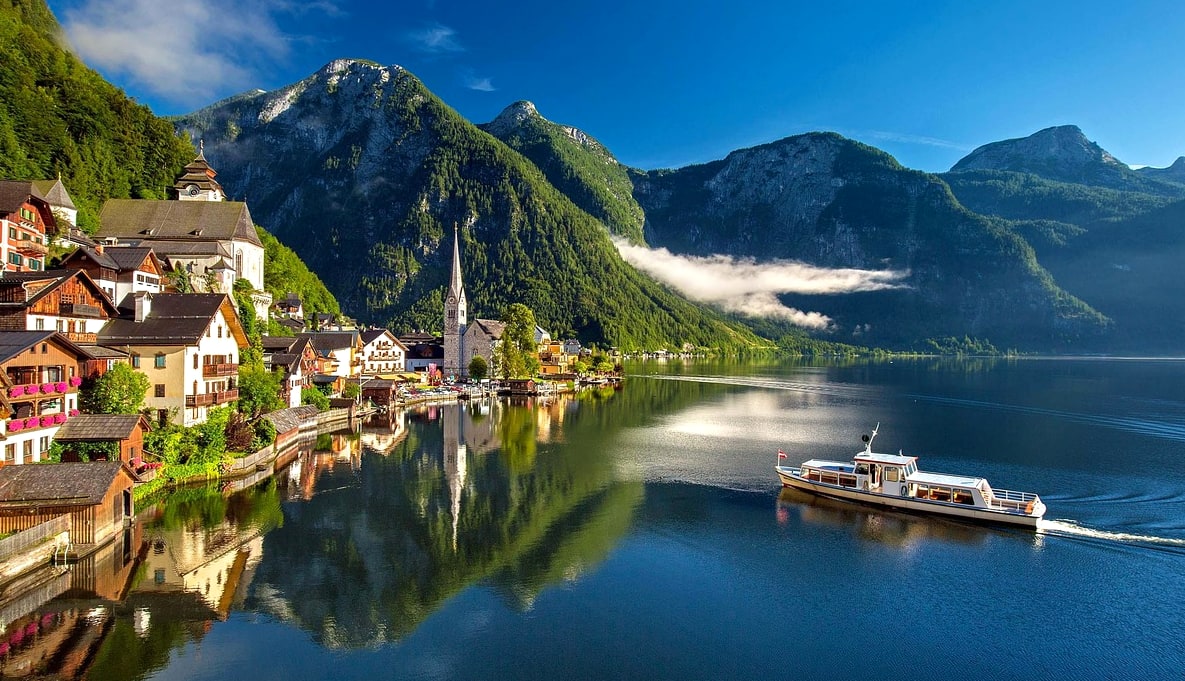
Combine waterfront walks with ferry journeys, checking seasonal timetables before setting out.
A practical introduction to the church, its remarkable decoration and the square around it.
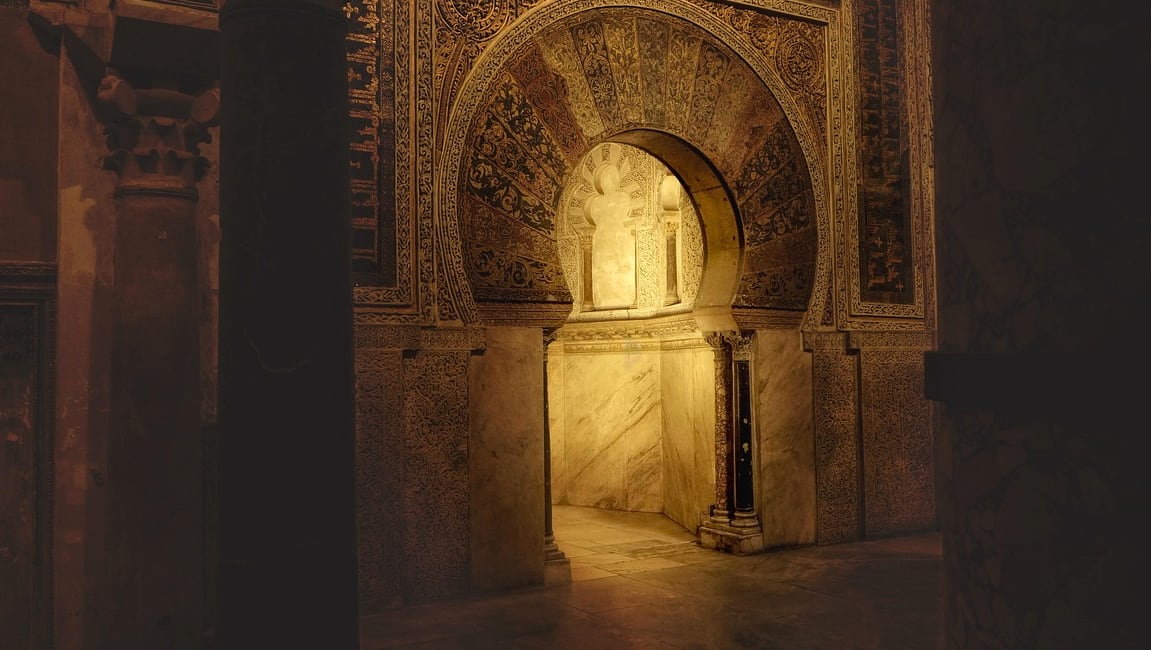
St Mark’s Basilica stands on Piazza San Marco beside the Doge’s Palace. Its domes, arches, marble and mosaics reflect Venice’s long connections across the Mediterranean. The present church developed over centuries, and its appearance brings together influences from different places and periods.
Outside, look closely at the decorated portals and the variety of stone across the façade. Inside, the golden mosaics and patterned marble floors invite a slower look. Light changes through the day, so details can feel different as you move through the space.
The basilica is an active place of worship as well as a visitor attraction. Dress respectfully, covering shoulders and knees, and follow instructions from staff. Photography and access rules may vary between areas. Some parts of the complex may require a separate ticket or have different access arrangements.
Opening times, queues and ticket conditions can change for religious services, maintenance or events. Consult the Basilica di San Marco website before travelling for current details, including accessibility and any restrictions on bags.
Piazza San Marco is a natural starting point, but it can become crowded. Arriving early gives you a chance to see the setting before continuing into the smaller streets. During periods of high water, routes across the square may be affected; check local conditions and allow flexibility.
Venice is a walking city with bridges and uneven paving. Water buses connect the area with other parts of the city, but the final approach may still involve walking. Build in breaks and carry water, particularly in warm weather.
Read the transport guide →Weather, daylight and the rhythm of local life all shape a trip. Here is what to consider before choosing your dates.
Spring can be rewarding for city walks, gardens and countryside trips. Temperatures generally rise as the season progresses, but rain and cool mornings are possible. A light waterproof layer and comfortable shoes are useful, especially if you plan to spend the day outside. Holiday periods can make popular destinations busier, so check local calendars as you plan.
Summer brings long days and opportunities for swimming and outdoor dining, but many Italian cities can be hot. Visit exposed archaeological sites early or later in the day, carry water and make room for a midday break. Coastal resorts and transport routes can be particularly busy during the summer holiday period. Museum opening schedules may differ from the rest of the year.
Early autumn can be pleasant for exploring cities and rural areas. As the season advances, days shorten and rainfall can increase. If you are combining urban sightseeing with the countryside, pack for both warm afternoons and cooler, wet days. Check transport schedules in smaller destinations, where seasonal services may change.
Winter is a good time to shape a city trip around museums, churches and cafés. Northern and mountain areas can be cold or snowy, while conditions in the south may be milder. In Venice, high water can affect low-lying areas, including parts of Piazza San Marco. Check local forecasts and transport notices close to departure.
Think about the experience rather than searching for a single perfect month. Check current opening days, local holidays and transport timetables for each stop. For wider travel context, UN Tourism publishes information about tourism and responsible travel.
Explore itinerary ideas →A few starting points for connecting cities and landscapes without turning every day into a transfer.
Spend a day around Piazza San Marco, including time for the basilica and the streets leading away from the square. On another day, explore a different neighbourhood at walking pace or take a water bus along the Grand Canal. The city is compact on a map, but bridges, crowds and water crossings can make journeys slower than expected.
Florence is a natural next stop for travellers interested in Renaissance art. Walk between the historic centre and the Arno, then choose a museum or church that particularly interests you rather than trying to fit in everything. Popular attractions can have timed entry or limited availability; consult their own websites when making plans.
Rome’s ancient remains, churches and lively neighbourhoods are spread across a larger area. Group nearby sights together and leave space between major visits. A day might combine an archaeological site with a walk through the surrounding streets; another could focus on a museum and a quieter neighbourhood meal.
Venice, Florence and Rome are connected by rail. Travel time depends on the service, and stations can be busy. Compare operators and schedules, note the station name on your ticket and allow time to reach your accommodation. For a shorter holiday, choose one or two bases instead of trying to cover all three.
If lakes or smaller towns appeal more than another city, consider replacing a stop rather than adding one. Ferry and regional transport services can vary by season. A flexible plan leaves room for weather, rest and discoveries along the way.
Stay on marked paths where requested, respect places of worship and follow local guidance in busy areas. The UN Tourism website offers broader resources on responsible tourism.
How to get around →A straightforward guide to trains, city transport and the particular pleasures of travelling through Venice.
Rail is a useful way to connect many Italian cities. Faster services and regional trains differ in price, stops and ticket conditions. Before buying, check the departure and arrival stations carefully: large cities can have more than one. Leave time for transfers, and keep your ticket available for inspection.
Rules on validation and changes depend on the operator and ticket type. Read the instructions that come with your ticket, including whether a paper regional ticket needs validation before boarding. Check the operator’s latest information rather than assuming every ticket works the same way.
Venice’s public water buses, known as vaporetti, connect the main islands and stops along the canals. Routes, journey times and ticket options vary. Check the ACTV website for current services and fares, and validate your ticket as instructed. Water transport can be busy; give yourself extra time when travelling with luggage or catching a train.
Walking is often the most rewarding way to explore historic centres. Wear comfortable shoes for stone paving and steps. Some streets have limited vehicle access, and driving or parking rules can differ by city. If renting a car, check local restricted-traffic zones and parking arrangements in advance.
Keep a copy of important travel details, watch your belongings in crowded places and check official local notices when weather disrupts travel. Accessibility varies across stations, historic streets, bridges and boats; contact the relevant operator or attraction for current step-free options before setting out.
For a broader European travel perspective, the European Travel Commission publishes travel and tourism resources.
Plan a visit to St Mark’s →Questions or feedback about the information on this site? We would be glad to hear from you.
Email: contact@tourstmarkobasil.online
Telephone: +39 02 4654 6792
tour st.marko-basil S.r.l.
Via della Spiga 77, Edificio B
20137 Milano (IT), Italia
Registro Imprese: 11061210302
P.IVA: IT11061210302
For current tickets, opening hours and access arrangements, please consult the attraction or transport operator directly.